From Romanesque Origins to Gothic Splendor
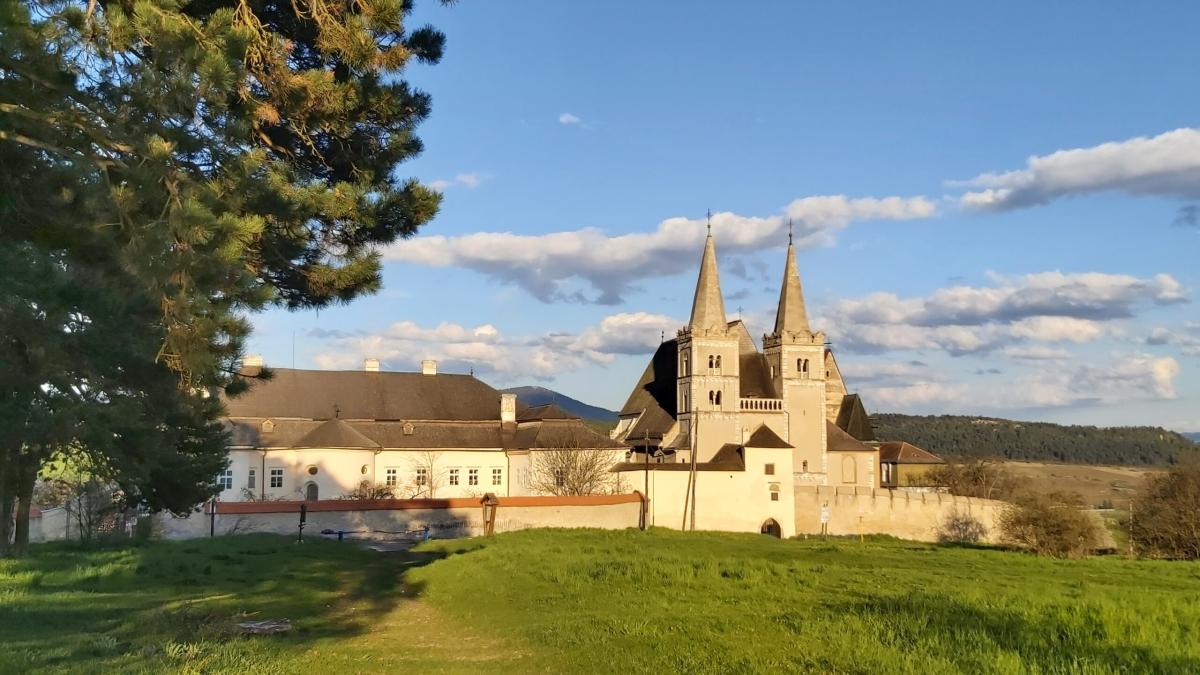
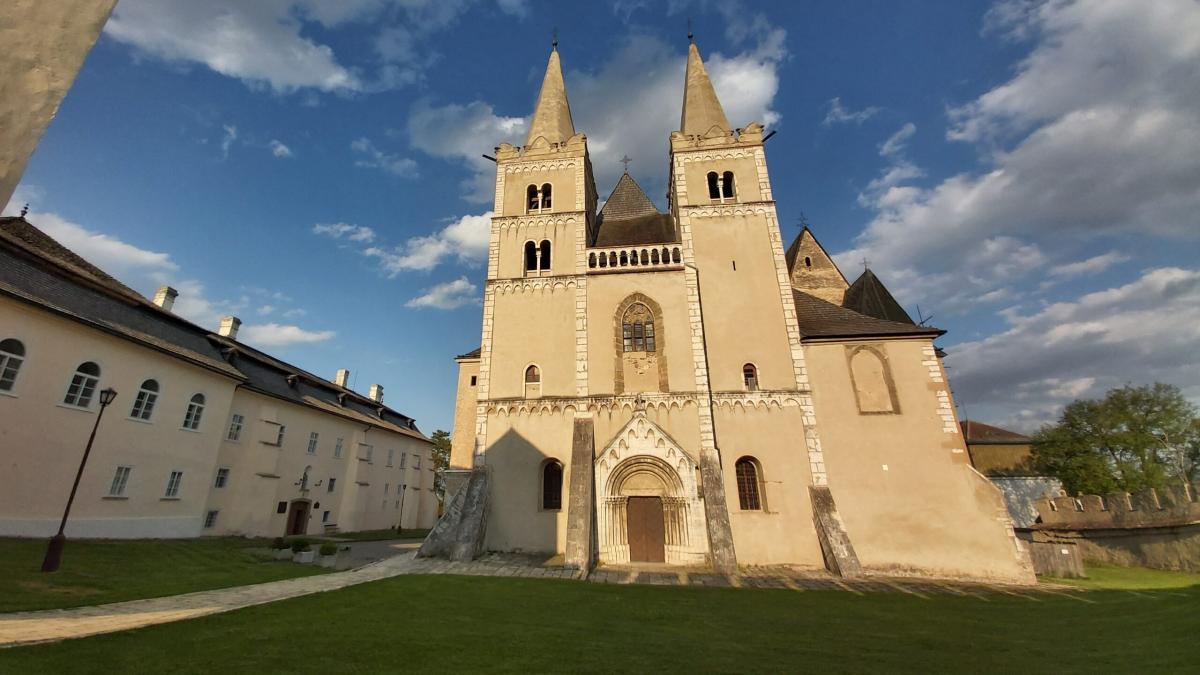
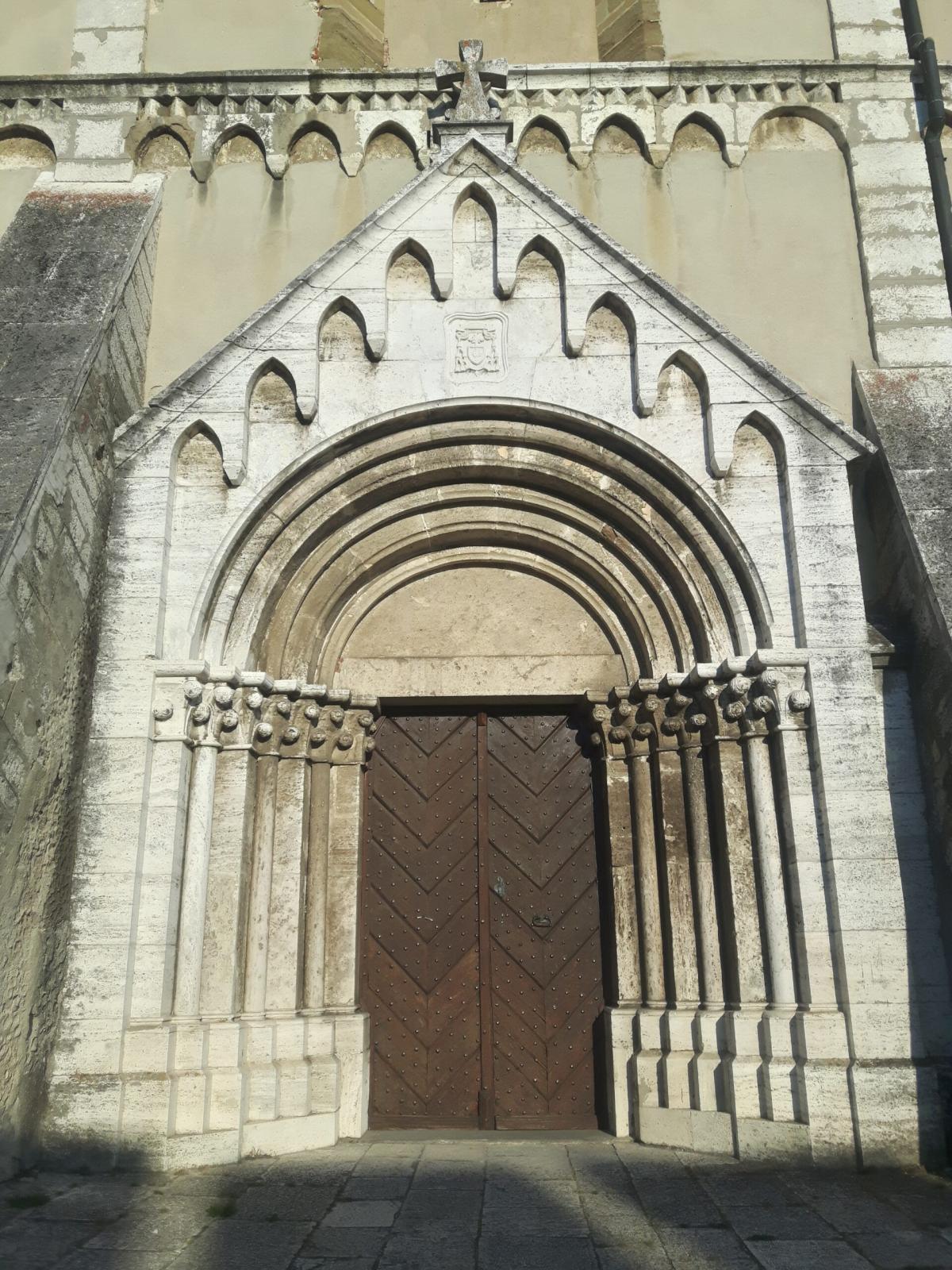
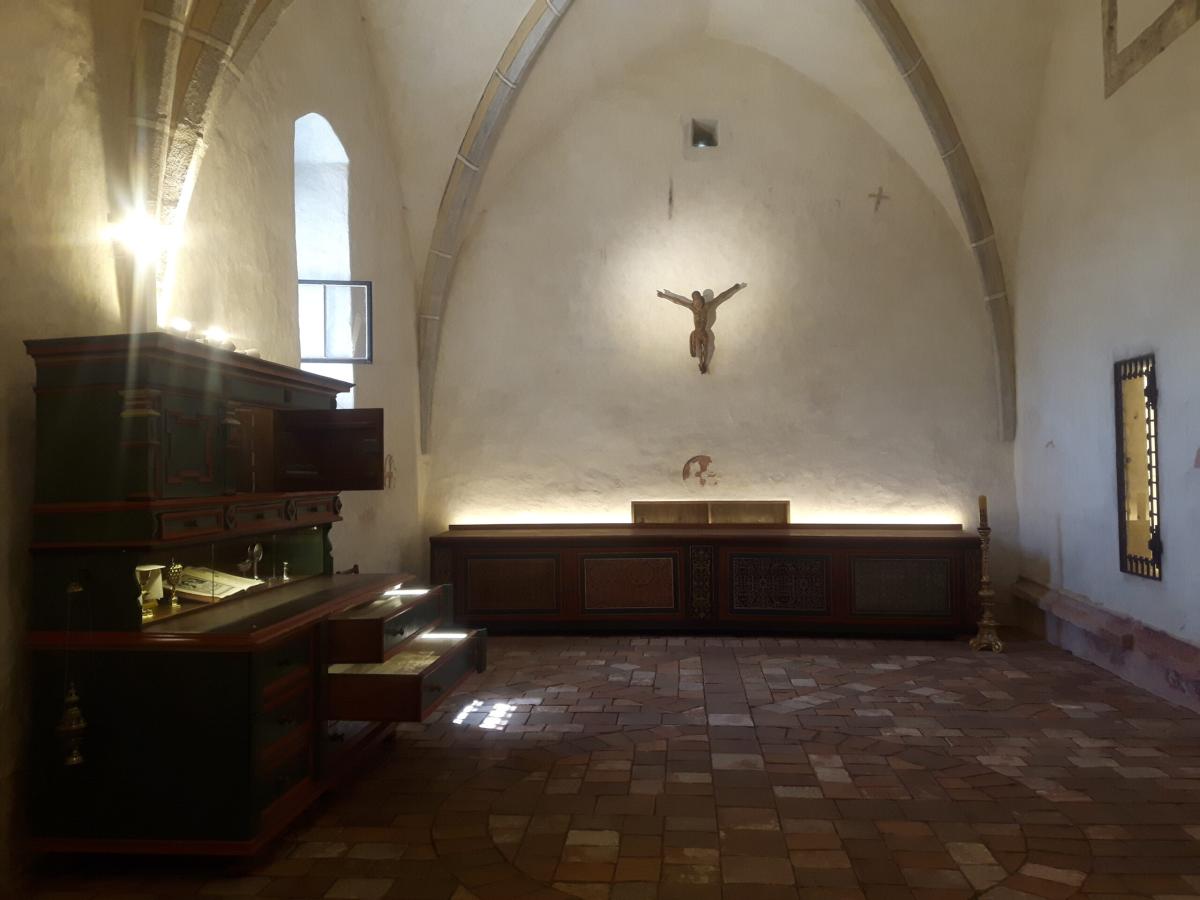
The Cathedral of Saint Martin in Spišská Kapitula, inscribed in the Central Register of the Monument Fund and since 1993 also on the UNESCO World Heritage List, is a splendid example of the continuous development of medieval and modern architecture. The first construction phase of this church was the Romanesque period in the 1220s. The original church, with a regular Greek cross plan, took the form of a three-aisled basilica with a transept, a so-called westwork (a royal chapel in the western facade), and a single northern tower. The oldest preserved Romanesque sacristy, which still stands today, was added to the northern wall of the church.
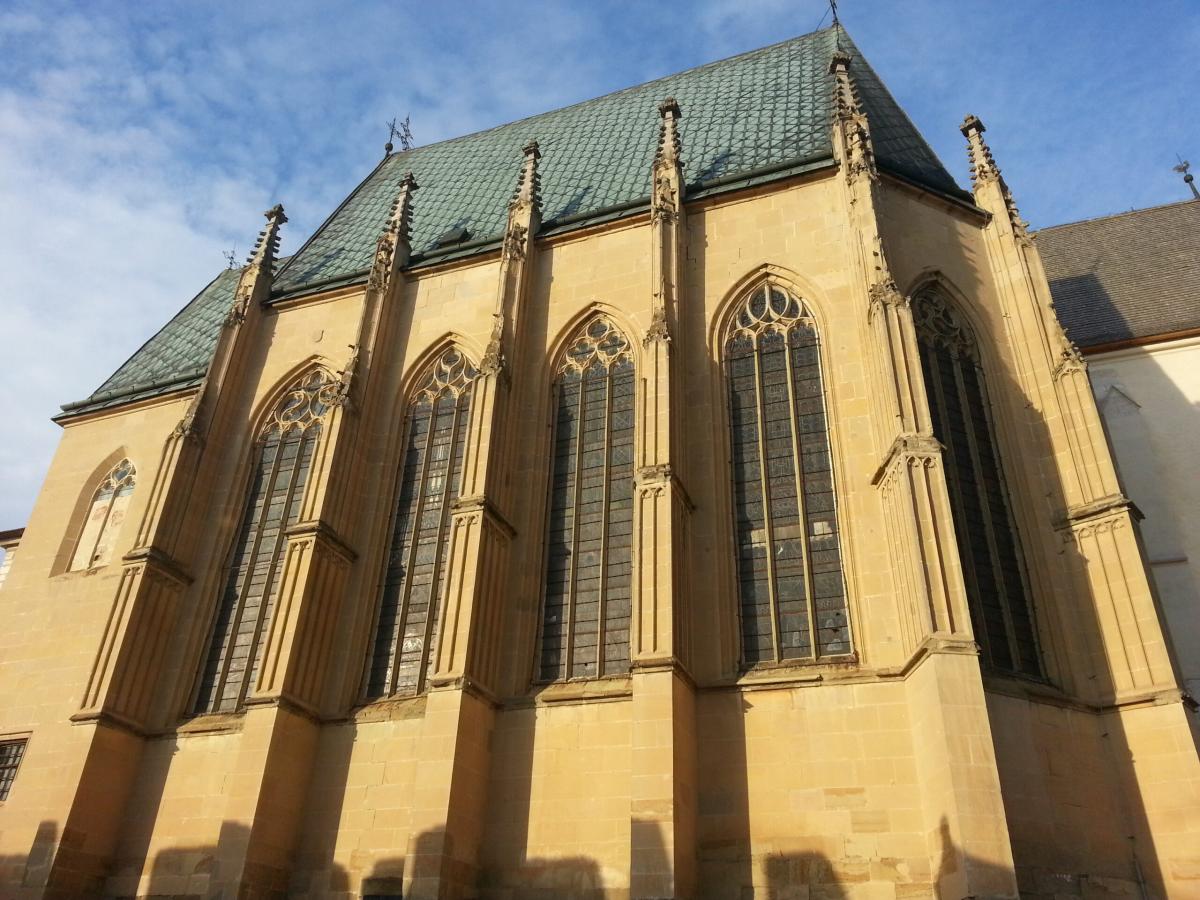
By the end of the 13th century, however, the church was struck by two disasters. In 1241, it was likely pillaged during the devastating Mongol invasion of the Kingdom of Hungary, and in 1289, it was burned down by the personal guard of the Hungarian King Ladislaus IV the Cuman. Nevertheless, the church was repaired relatively quickly and a second tower was added. The defining construction phase that shaped the appearance of today's church occurred between 1462 and 1478, during a magnificent Late Gothic reconstruction. A new, elongated, and polygonally terminated sanctuary was added to the east. The original chapels and the transept were rebuilt into side aisles with stellar vaults, and the main nave was heightened and cross-vaulted, granting the church the majestic character of a hall church.
Royal Center and the Zápoľský Era
The original provost's church played a crucial role as a spiritual center for the spread of Christianity in this part of the Kingdom of Hungary. Together with the nearby Spiš Castle, it formed a pillar of power for the Hungarian kings, particularly during the 13th and 14th centuries. The significance of the church is evidenced by the high likelihood that it was visited by royal court figures such as Coloman of Galicia (1208–1241), the younger brother of the Hungarian King Béla IV; the Queen Mother Elizabeth the Cuman (1240–1290); her son, the Hungarian King Ladislaus IV the Cuman (1262–1290); as well as the Hungarian Kings Andrew II (1177–1235), Stephen V (1239–1272), Andrew III (1265–1301), and Charles I Robert of Anjou (1288–1342).
After the royal Árpád dynasty died out and political interests shifted, the significance of the Spiš region stagnated. A fundamental turning point came after 1465, when the original royal Spiš Castle became the aristocratic seat of the hereditary counts of Spiš from the powerful Zápoľský magnate family. They also assumed patronage over the Church of Saint Martin. Between 1493 and 1499, the representative Zápoľský Chapel was built against the southern wall of the church in the Late Gothic style, featuring a rectangular plan, a beautiful net-ribbed vault, its own choir, and a sacristy. A family crypt was simultaneously constructed beneath the chapel.
In the 17th, 18th, and 19th centuries, the cathedral underwent only Baroque and Neo-Gothic modifications. It was during this period, however, that the current organ loft, the northern sacristy, and the vestibule in front of the northern portal were built. The importance of the church on a national scale was elevated once again in 1776, when the Diocese of Spiš was established, and the provost's church became the present-day Cathedral of Saint Martin.
Precious Frescoes and Unique Artworks
The cathedral is a true treasury of medieval art. The oldest and exceptionally valuable monument within the church is the Romanesque travertine sculpture of a white lion, known as Leo albus, which is the only preserved Romanesque sculpture of its kind in Slovakia. Another rarity is the oldest dated wall painting in the Spiš region, originating from 1317. It is located on the original Romanesque northern wall and, in a historically rare manner, depicts the coronation of Charles I Robert of Anjou as the King of Hungary.
The interior of the church is also adorned with magnificent windows. The sanctuary and the Zápoľský Chapel feature stained glass windows crafted at the end of the 19th century in a famous Tyrolean workshop in Innsbruck, illustrating scenes from the life of Saint Martin as well as motifs from the Old and New Testaments. Among the other furnishings of the cathedral, the Baroque pews from 1630 stand out. Their front panels are decorated with precisely carved scenes of the Nativity of Christ, the Adoration of the Magi, the Flight into Egypt, and Christ on the Mount of Olives. A valuable part of the church, located in the Zápoľský Chapel, includes the red marble Renaissance epitaphs of Palatines Emeric and Stephen Zápoľský, along with 17th-century funeral shields (mortuaria) that belonged to members of the illustrious Csáky, Thurzo, and Erdödy families.
Jewels of Spiš Altar Art
The comprehensive collection of Gothic winged altars is exceptionally rare. Out of the original thirteen, five have been preserved to this day, and experts attribute them to the masters of the Spišská Kapitula workshop. The oldest among them is the Altar of the Dormition of the Virgin Mary from 1470. The central liturgical focal point of the church is the main altar of Saint Martin, consecrated in 1478, whose central shrine features statues of the Madonna and Child, Saint Martin, and Saint Nicholas. From the same year (1478) comes the Altar of the Three Kings, whose most valuable part is the original Gothic predella depicting the resurrected Christ. Also exceptional is the Altar of Saint Michael the Archangel from 1472, whose central panel painting captures the archangel weighing human souls at the Last Judgment.
The only entirely and completely preserved Gothic altar that has not undergone significant later modifications is the Altar of the Coronation of the Virgin Mary (1493–1499), majestically situated directly in the Zápoľský Chapel. Later, the church interior was enriched by other works, notably the Baroque Altar of the Holy Cross (1622–1629) and the newer altars of the Pietà (1873) and the Sacred Heart of Jesus (1902).
Discover More: Publication and Mobile Guide
For those who desire to delve even deeper into the rich history, architecture, and spiritual legacy of this exceptional church, a comprehensive book titled The Cathedral of Saint Martin in Spišská Kapitula is available. The publication offers a detailed look at the artistic jewels and history of the cathedral, making it a valuable source of information and a beautiful souvenir of your visit to this sacred place.
The Cathedral of Saint Martin in Spišská Kapitula
If you prefer modern technologies while exploring historical monuments, we recommend using the Spišský Jeruzalem mobile app. This engaging interactive guide is available for free for both iOS and Android devices, and it will seamlessly guide you not only through the cathedral itself but also through the unique surroundings of the ancient Spišská Kapitula.