Historical Legacy and Architectural Transformations
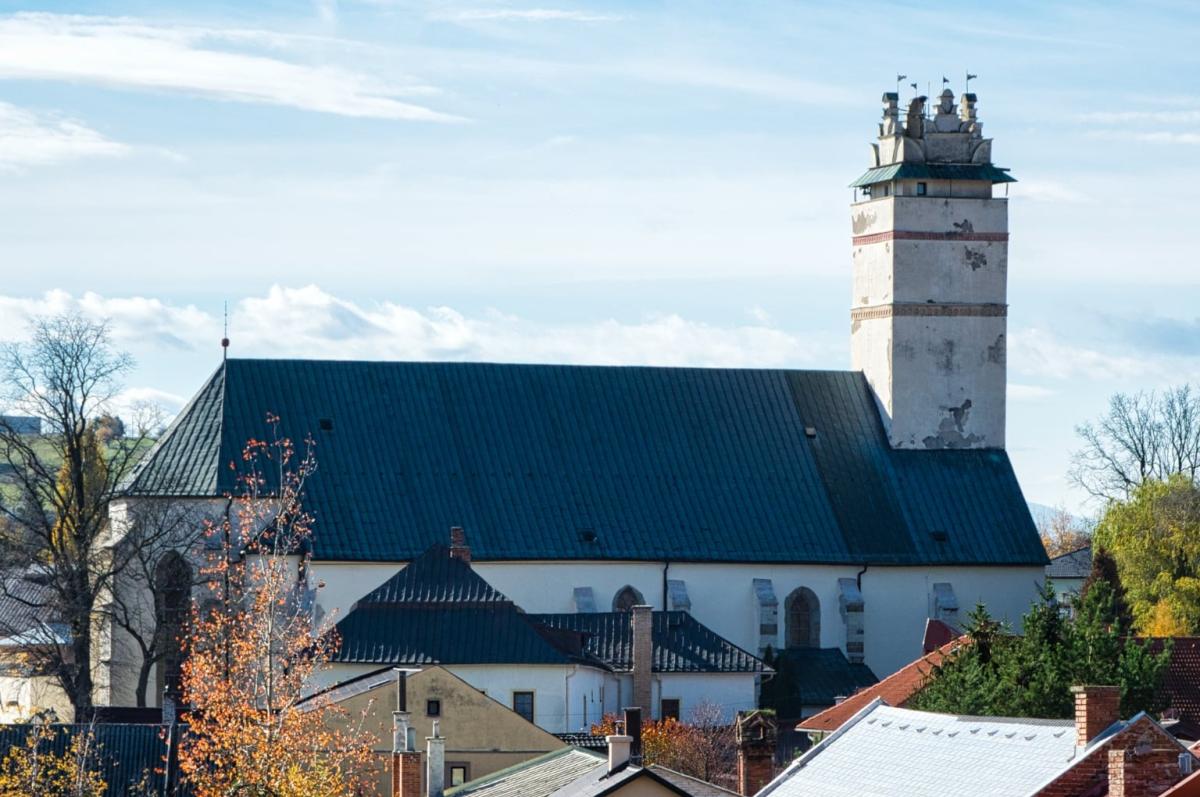
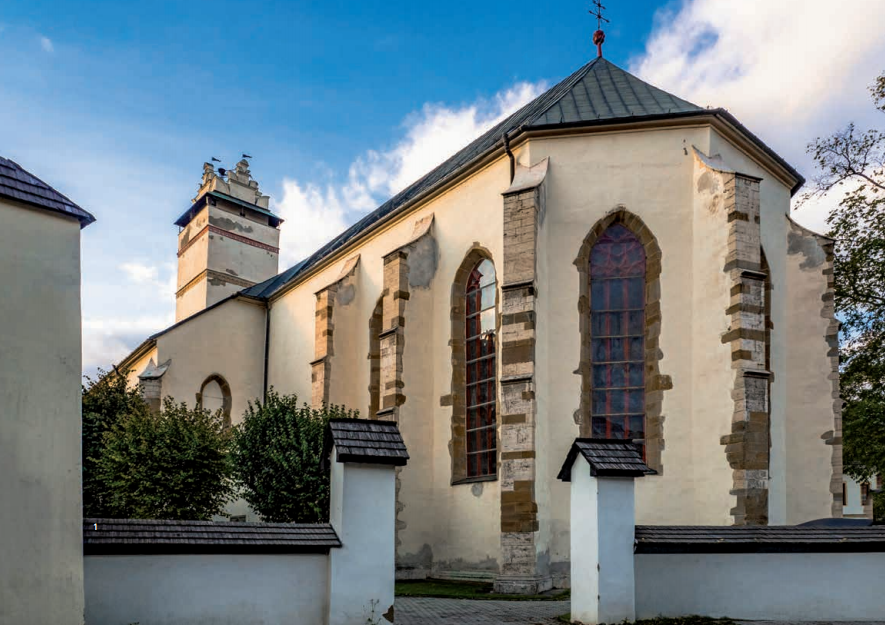
The Minor Basilica of the Exaltation of the Holy Cross in Kežmarok is one of the most significant spiritual and architectural jewels not only of the Diocese of Spiš but of all Slovakia. It ranks among our most beautiful and valuable Late Gothic monuments.
Although the oldest preserved parts of the church—the sacristy and the lower part of the tower—date back to the early 14th century, its present majestic appearance is the result of an extensive Late Gothic reconstruction carried out between 1444 and 1498. This restoration, which breathed current monumentality into the church, followed severe damage caused by a Hussite invasion in 1433 and a subsequent earthquake. It was heavily supported by the Zápoľský family, a contribution still commemorated today by the coats of arms carved above the portal of the sanctuary. Later Renaissance alterations affected the overall mass of the church only marginally, enriching it with the addition of the northern vestibule and the characteristic termination of the tower with a stepped Renaissance attic.
Spiritual and Artistic Heritage
The sacred space of the basilica harbors several exceptional artworks that have served liturgical life for centuries, elevating the mind to God.
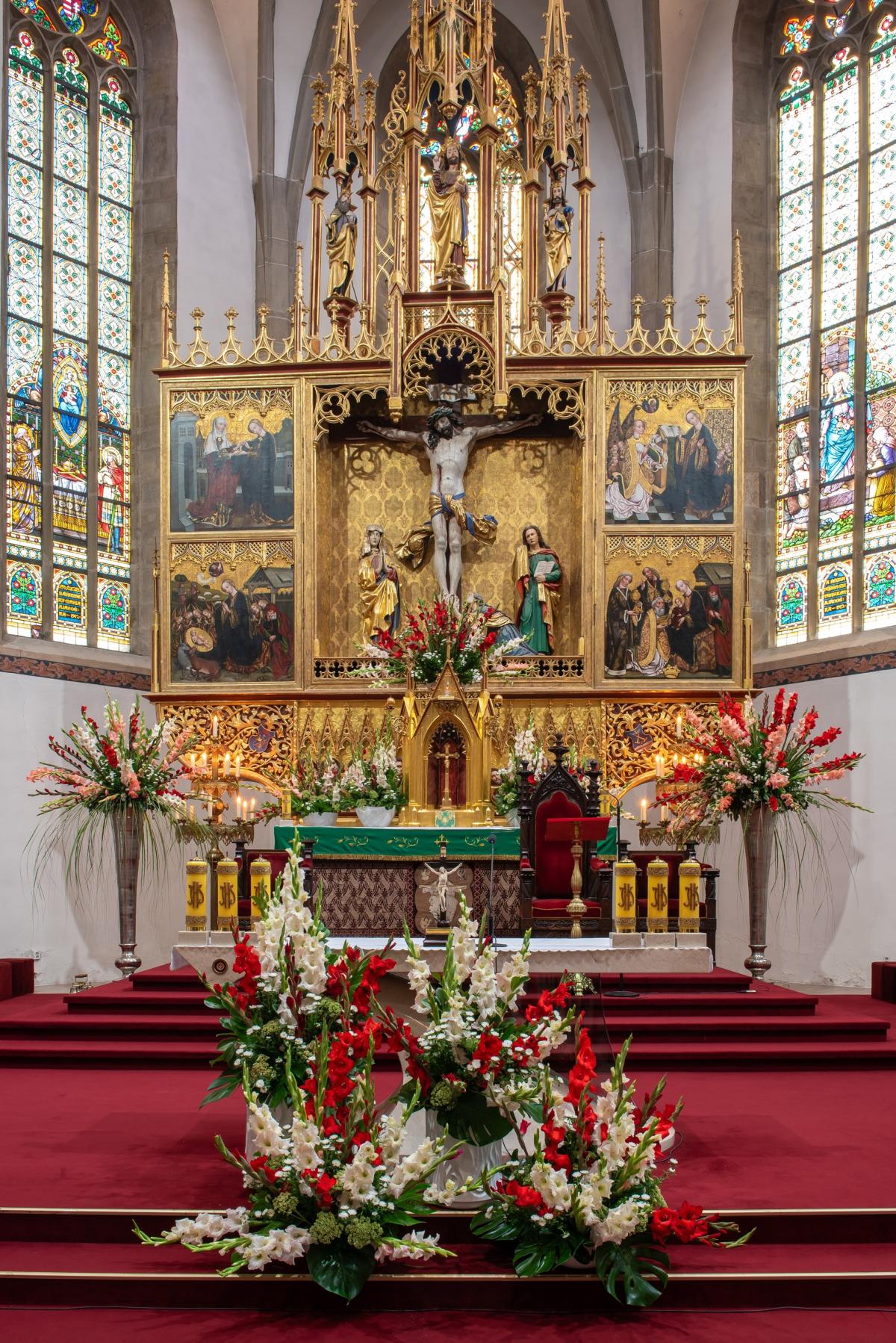
The central spiritual focal point of the church is the main altar of the Holy Cross. Its dominant feature is a monumental wood carving of the crucified Jesus Christ, originating from the workshop of the famous Master Paul of Levoča. It stands as a pinnacle expression of Late Gothic sacred art in the country.
An exceptionally precious artifact for the administration of the sacraments is the Gothic bronze baptismal font from 1472. This outstanding piece was cast in the renowned metal-casting workshop of Master Matthew in Spišská Nová Ves and continues to serve its original liturgical purpose today.
The uniqueness of the architectural mastery is manifested in the ceiling of the main nave. The vault is not uniform; rather, it consists of a unique combination of three different Gothic vault types: net, stellar, and cross-ribbed vaults, adding a distinct dynamism to the entire space.
An interesting architectural element are the corbels topped with mascarons (faces). According to the symbolism of the time, the male face represents day and light (alluding to faith and Christ as the Light of the World), while the female face on the northern, colder wall serves as an allegory of night.
Elevation to a Minor Basilica
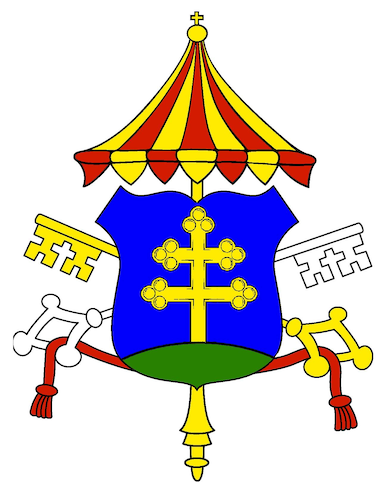
The profound spiritual and historical significance of this church was solemnly confirmed on September 14, 1998. On this day—fittingly on the Feast of the Exaltation of the Holy Cross—Pope John Paul II granted the Kežmarok church the honorary title of Basilica minor. Through this act, the church was inscribed into the modern history of the Church in our territory as the very first non-Marian basilica in Slovakia.