Origins, Ordination, and Early Ministry
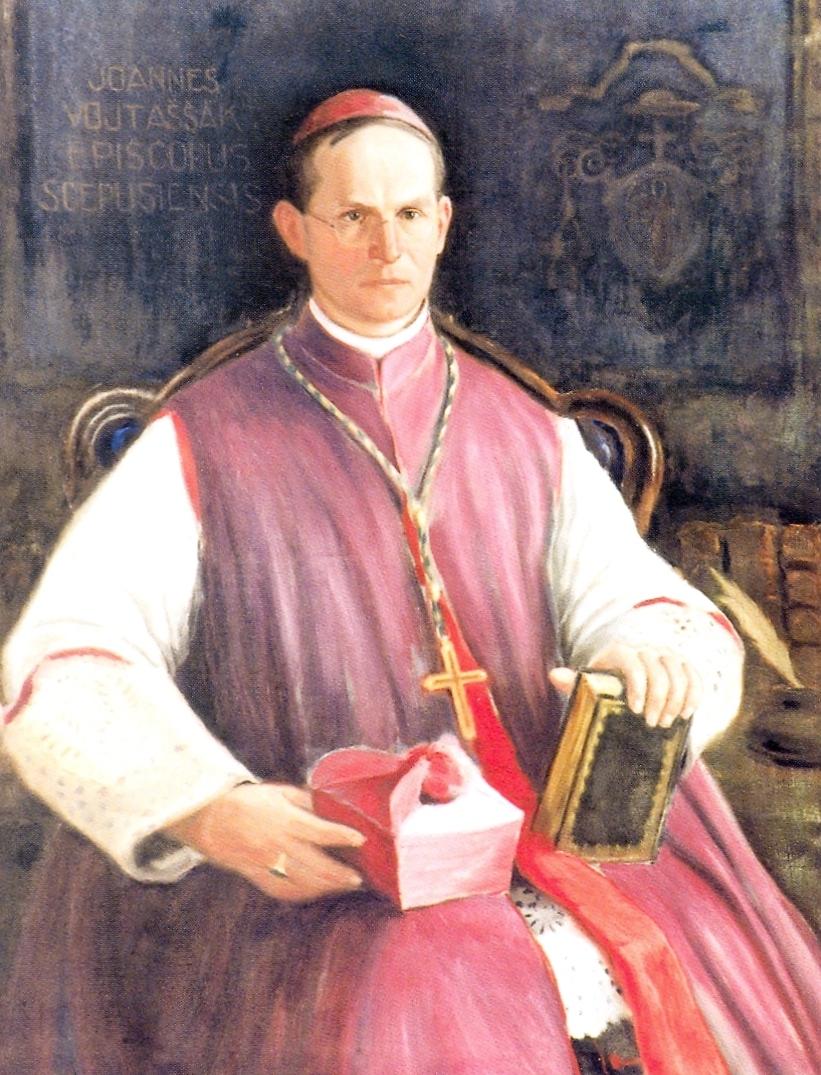
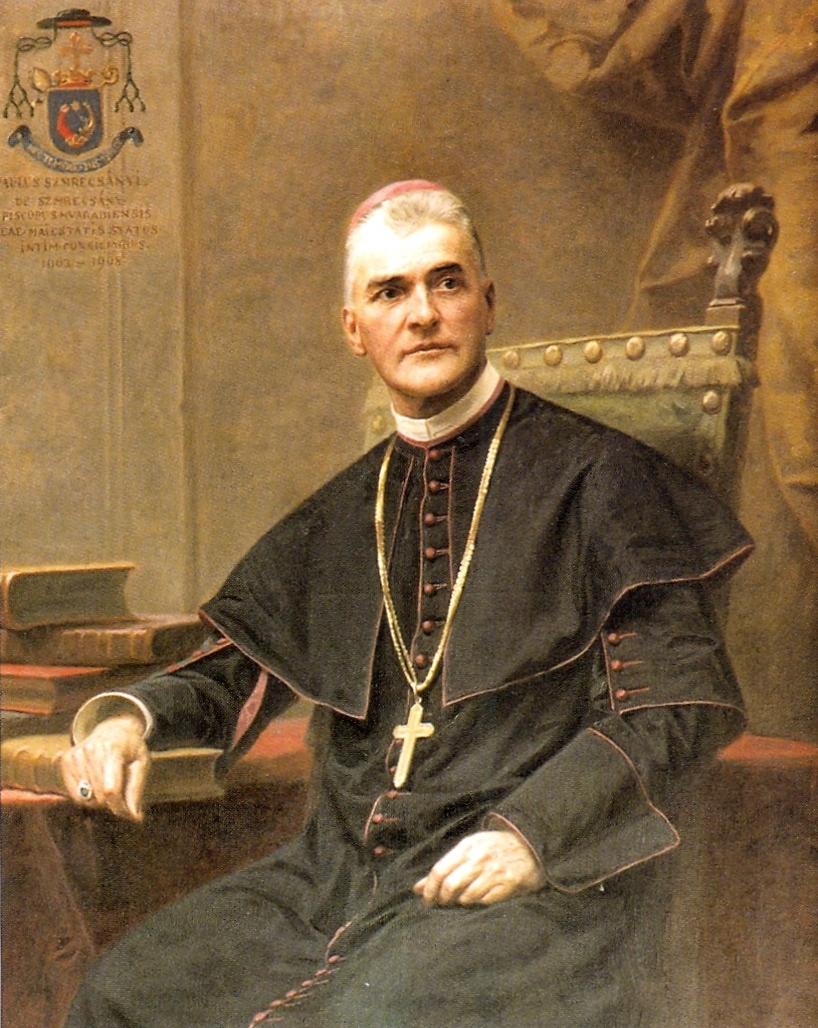
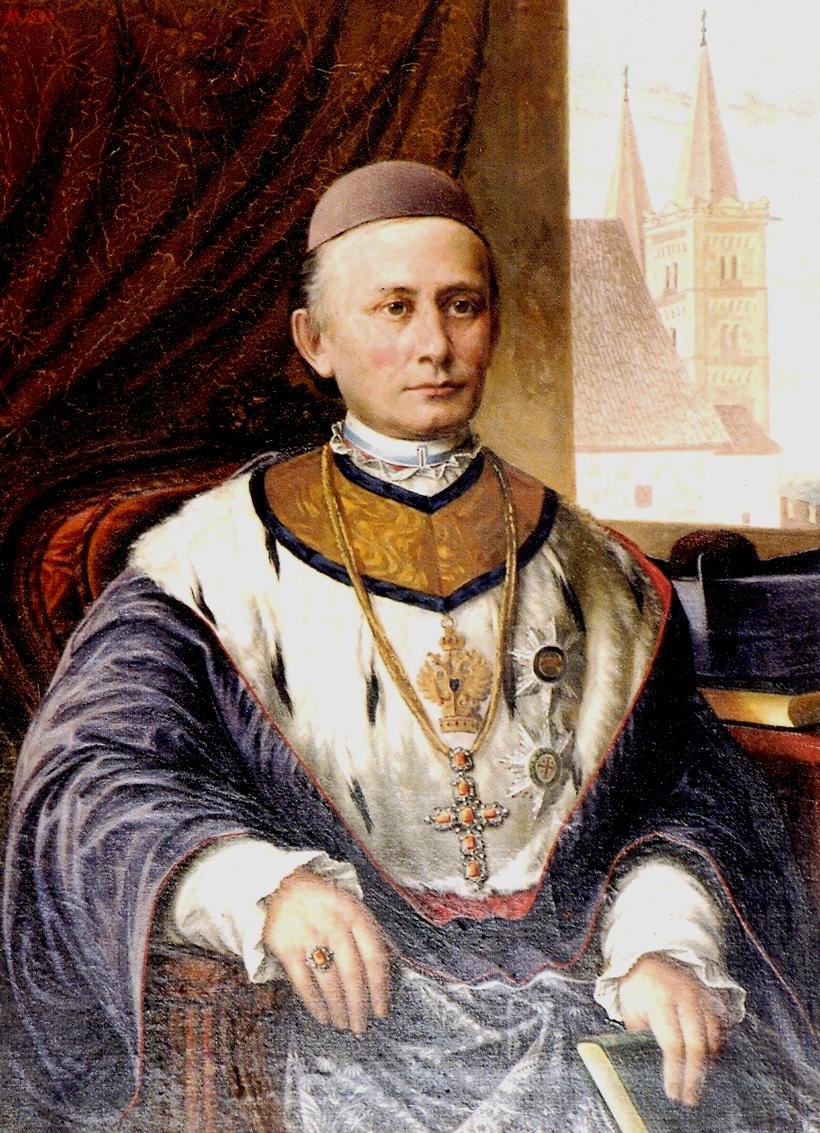
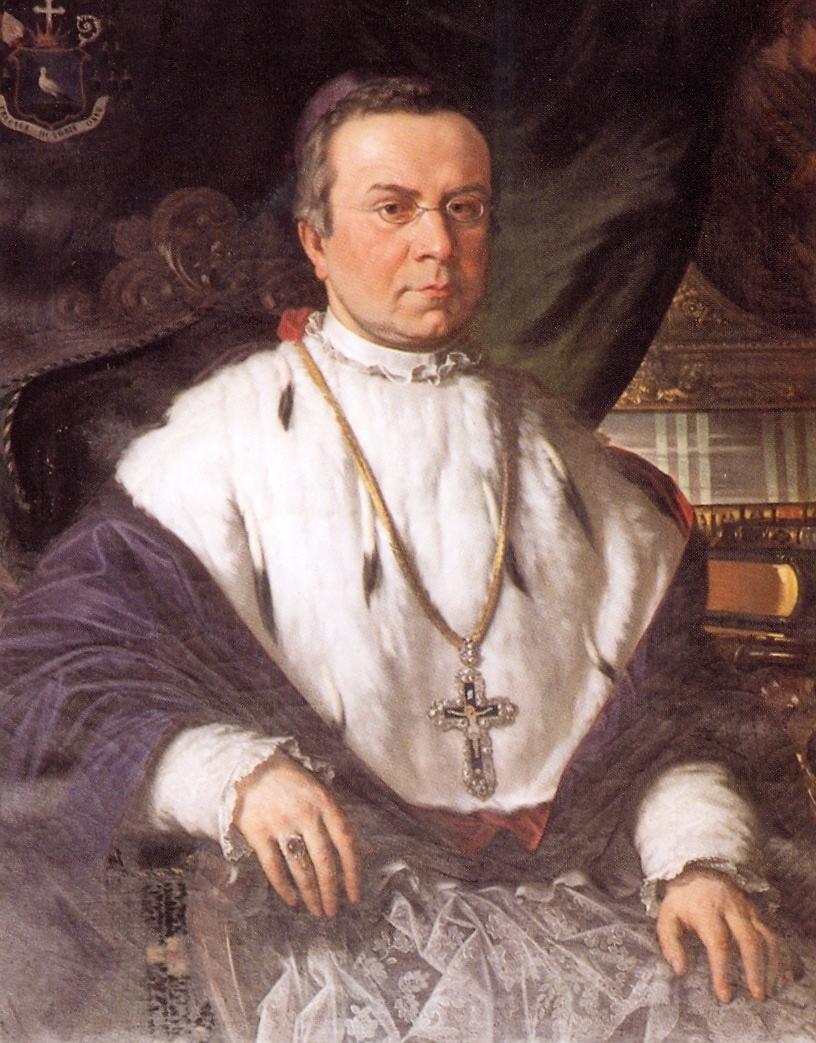
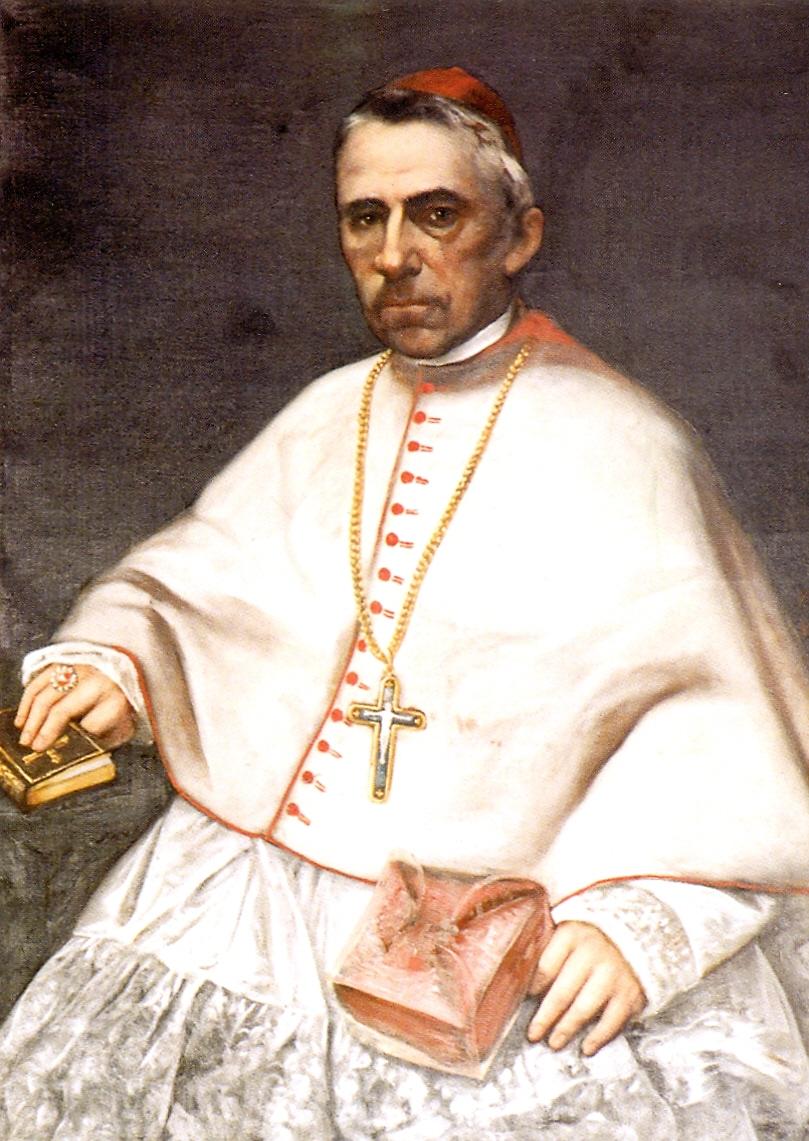
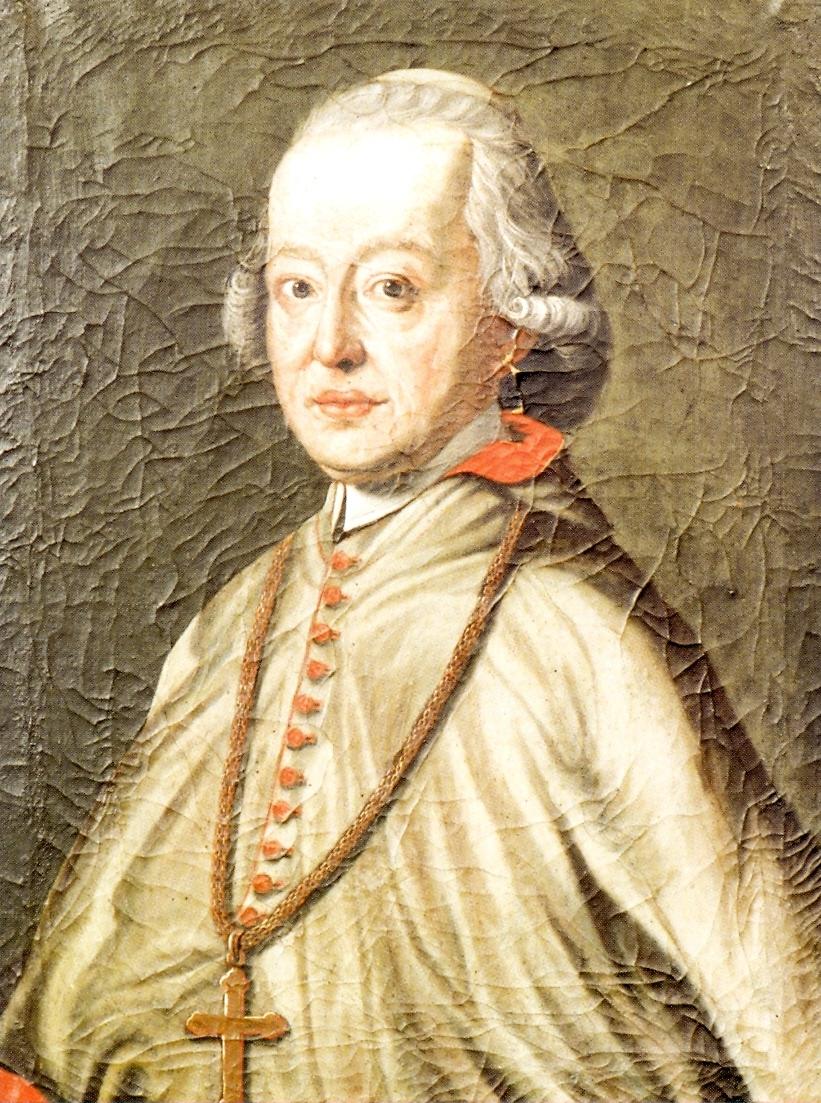
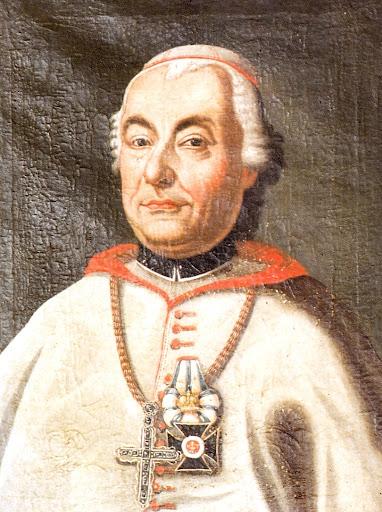
Ján Vojtaššák was born on 14 November 1878 in Zákamenné, Orava, to a peasant family. He received his priestly ordination on 1 July 1901. He spent his early years of priestly ministry as a chaplain, successively serving in eight different parishes. He later became the parish priest in Veličná.…
Origins, Ordination, and Early Ministry
Ján Vojtaššák was born on 14 November 1878 in Zákamenné, Orava, to a peasant family. He received his priestly ordination on 1 July 1901. He spent his early years of priestly ministry as a chaplain, successively serving in eight different parishes. He later became the parish priest in Veličná. During the governance of the diocese by the capitular vicar, Štefan Mišík, he held the position of director of the episcopal office in Spišská Kapitula. When Marián Bláha became capitular vicar, Vojtaššák assumed the leadership of the diocesan seminary as its rector.
Episcopal Office and the Diocesan Synod
He was appointed Bishop of Spiš on 13 November 1920. He received his episcopal consecration on 13 February 1921 in Nitra, alongside the newly appointed Bishop of Nitra, Karol Kmeťko, and the Bishop of Banská Bystrica, Marián Bláha. He held the episcopal rank for a total of 44 years, although he was only able to personally govern the Diocese of Spiš for 29 years.
One of the significant events of his episcopate was the Diocesan Synod, which he convened in 1925. Its outcome was a set of regulations governing various areas of diocesan life, particularly the spiritual life of priests, the liturgy, the functioning of the seminary, church schooling, and other pastoral matters. He devoted great attention to the formation of priests and the education of the youth. He expanded the seminary building by adding another floor and simultaneously modernised it. In a similar manner, he improved the teachers' institute, commissioning the addition of a large, modern hall of residence. He expanded the girls' teacher institute in Levoča with a new wing and commissioned the construction of a minor seminary building adjacent to the Levoča grammar school.
Building, Publishing, and Social Activities
Vojtaššák's tenure was associated with extensive building and organisational activities. During his episcopate, 16 new churches were built across the diocese, and another ten were expanded. Furthermore, 49 schools, 9 Catholic cultural centres, and 17 new parish buildings were constructed, while 9 monasteries were reconstructed. In Ružomberok, he established the Lev printing press and publishing house; in Dolný Smokovec, he commissioned the construction of a Charity House, and he financially supported the construction of the Central Charity in Bratislava and the Svoradov university hall of residence.
Religious communities played a significant role in his work. He brought the De La Salle Brothers to the Teachers' Institute in Spišská Kapitula and also supported their ministry in his native Zákamenné, where he had a modern school built for them. He introduced female religious communities to approximately twenty locations within the diocese. For the needs of popular missions, he had the monastery and church in Stráže adapted for the Redemptorists. Furthermore, he provided the summer residence of the Spiš bishops in Spišský Štiavnik to the Divine Word Missionaries. He also established retreat houses and strongly supported impoverished students, helping them to acquire an education.
He was equally active in the religious and publishing spheres. He supported the Society of Saint Adalbert in Trnava, for which he established significant financial funds, and he served as an editor of the Holy Family magazine. He was distinguished by an intense spiritual life and a particular devotion to guardian angels. On matters concerning the position and rights of the Catholic Church, he held firm stances, which became especially evident during the period of political changes following the Second World War.
Persecution, Imprisonment, and Final Years
The most difficult period of his life began after 1948, when the communist regime started to systematically restrict the activities of the churches. From 1951, Vojtaššák was stripped of the possibility to govern the Diocese of Spiš and simultaneously lost his personal liberty. In a politically fabricated show trial, he was sentenced to 24 years in prison. He spent approximately twelve years in the prisons of communist Czechoslovakia, being transferred between several prison facilities. His long-term imprisonment and persecution became one of the most defining aspects of the final stage of his life.
In 1963, the remainder of his sentence was remitted, but a free return to the leadership of the diocese was not permitted to him. He spent the final years of his life under the surveillance of state authorities in Senohraby near Prague. He died on 4 August 1965 in the hospital in Říčany. At the time of his death, he was in the 64th year of his priesthood and the 44th year of his episcopal ministry. His mortal remains were subsequently laid to rest in his native Zákamenné, Orava.
The Beatification Process and Capitular Vicars
The process of his beatification began in 1996. In connection with this, his remains were exhumed in 2003 and transferred from Zákamenné to Spišská Kapitula. Since then, they have been resting in the crypt of Saint Martin's Cathedral.
During the period of sede impedita, when Ján Vojtaššák was unable to exercise governance of the diocese, capitular vicars stood at its helm. Between 1950 and 1968, this office was held by Andrej Scheffer, who was installed by the state authorities. Following him, Dr. Jozef Ligoš governed the diocese from 1968 to 1973. The last capitular vicar during the communist regime was Štefan Garaj, who carried out this role between 1973 and 1989.