A Unique Discovery and Historical Significance
For a long time, the Calvary near Spišská Kapitula was an almost forgotten complex of minor sacred architecture. Practically nothing was known about its original concept until 2002. Only thanks to thorough research by landscape architects and historians can we now accurately describe its origin, function, and extent, confirming that it is the very oldest Calvary in Slovakia.
Its construction took place between 1666 and 1675 on the initiative of the then Provost of Spiš, Juraj Báršoň, and members of the Jesuit order serving in Spiš at the time. This Calvary is highly specific in its well-thought-out concept, sensitive integration into the landscape, and the architectural elements used. Currently, it has been given a name that best captures its original spiritual function and spatial concept: the Spiš Jerusalem.
Symbolism and Layout in the Landscape
This extensive area stretches west of Spišská Kapitula, beginning directly opposite the main car park. To properly understand the symbolism of this Calvary, one must realise that it spans an area of several hectares and represents the intersection of multiple units. Today, partly due to changes in the road network, afforestation, or agricultural activities in the 20th century, we may perceive them as seemingly unrelated.
The Calvary encompasses a part of the territory of Spišská Kapitula itself, the immediately adjacent Pažica travertine plateau, the Sivá Brada travertine mound, and the now-vanished but originally connecting Rybníky site near the village of Jablonov.
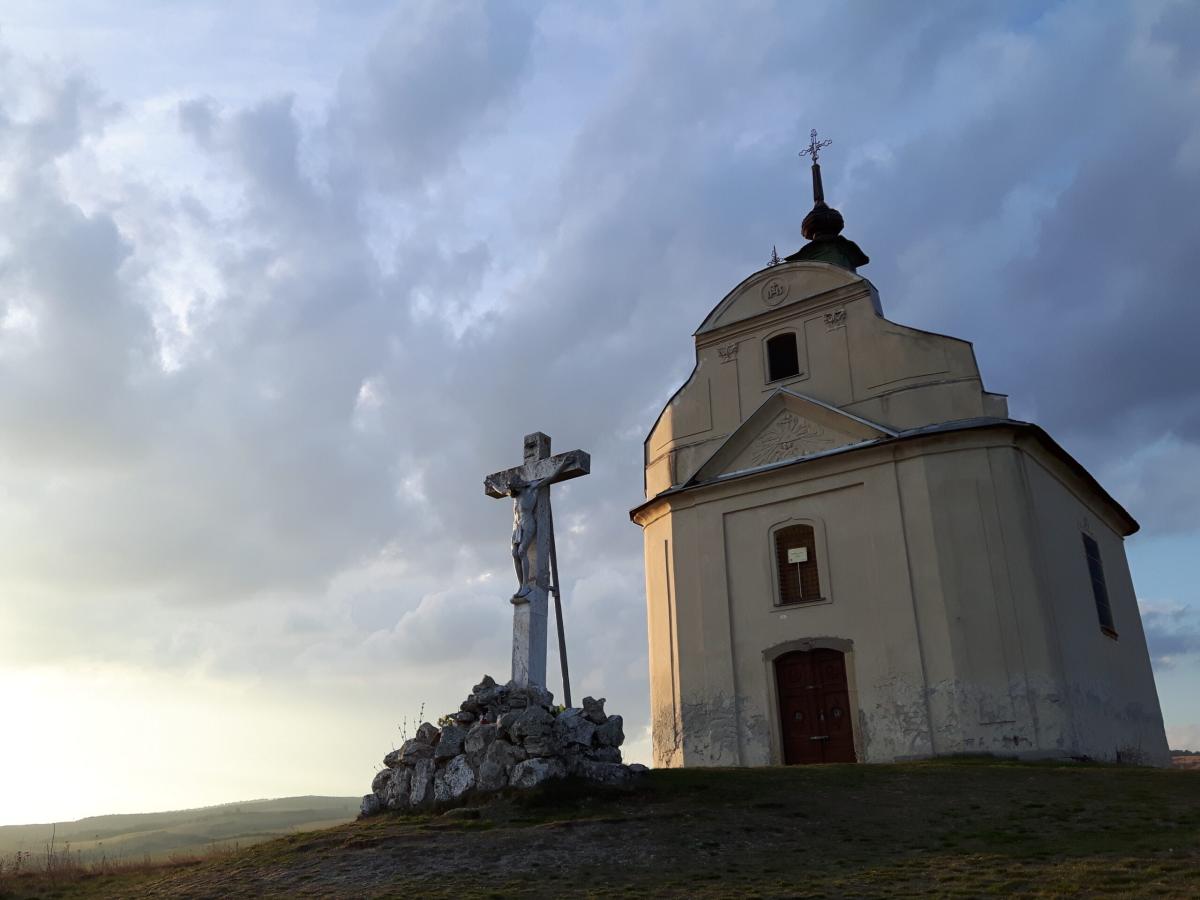
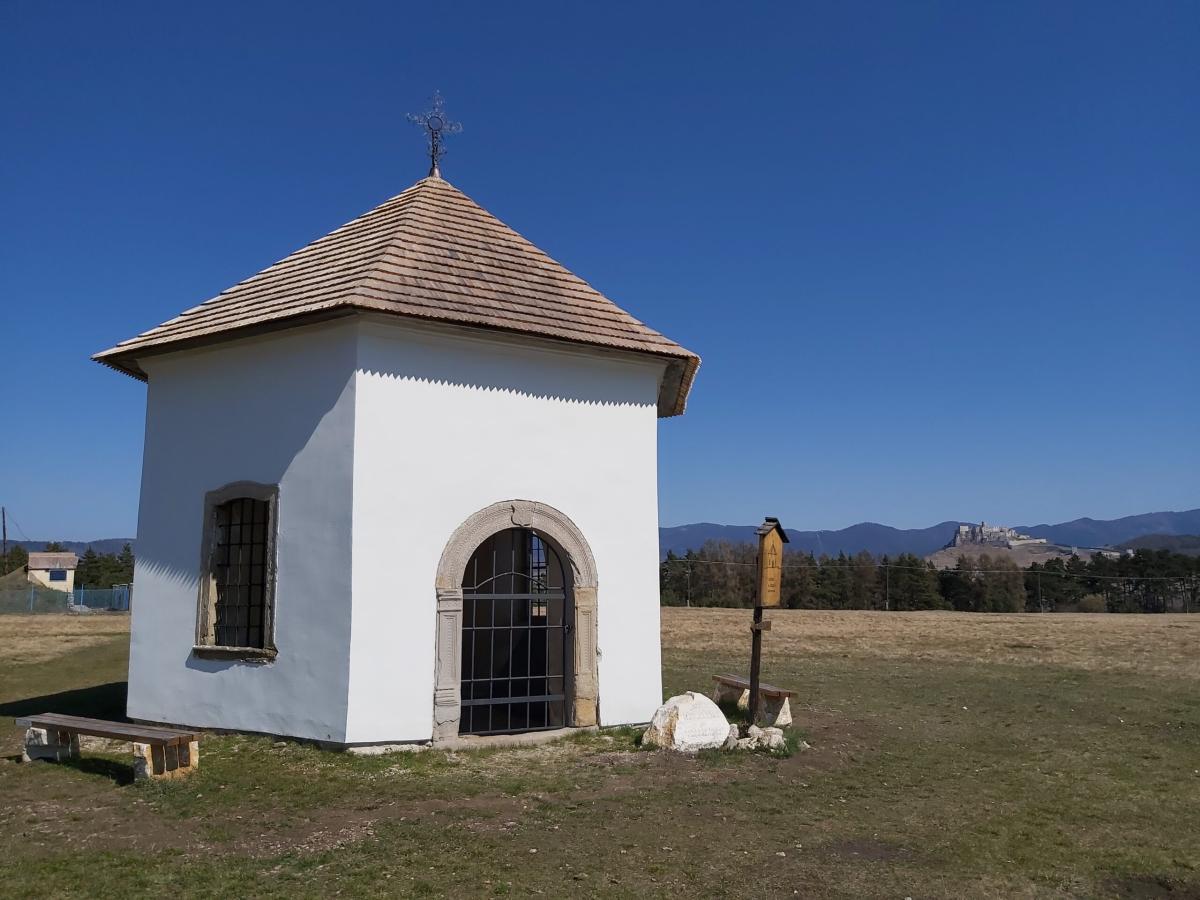
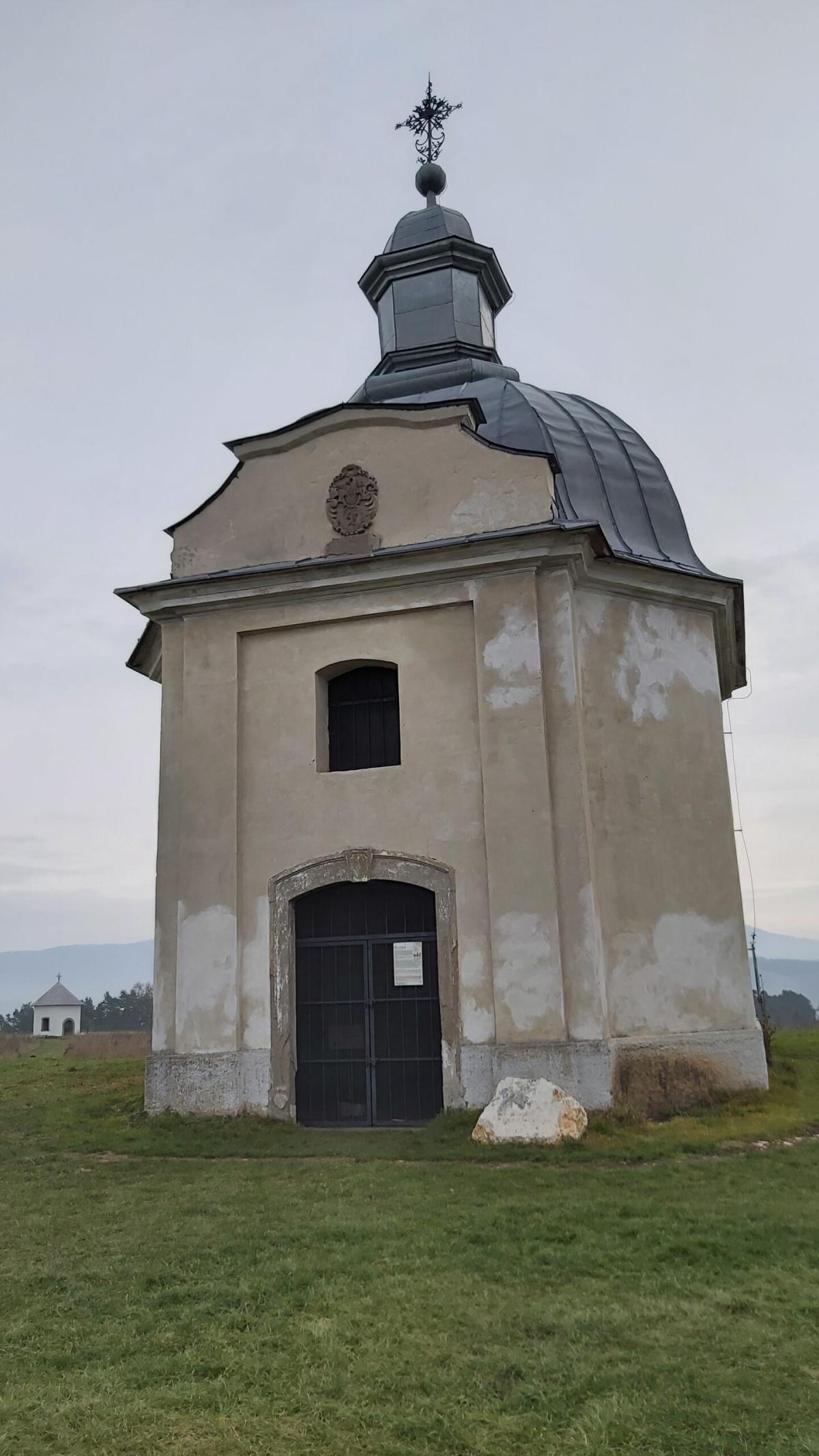
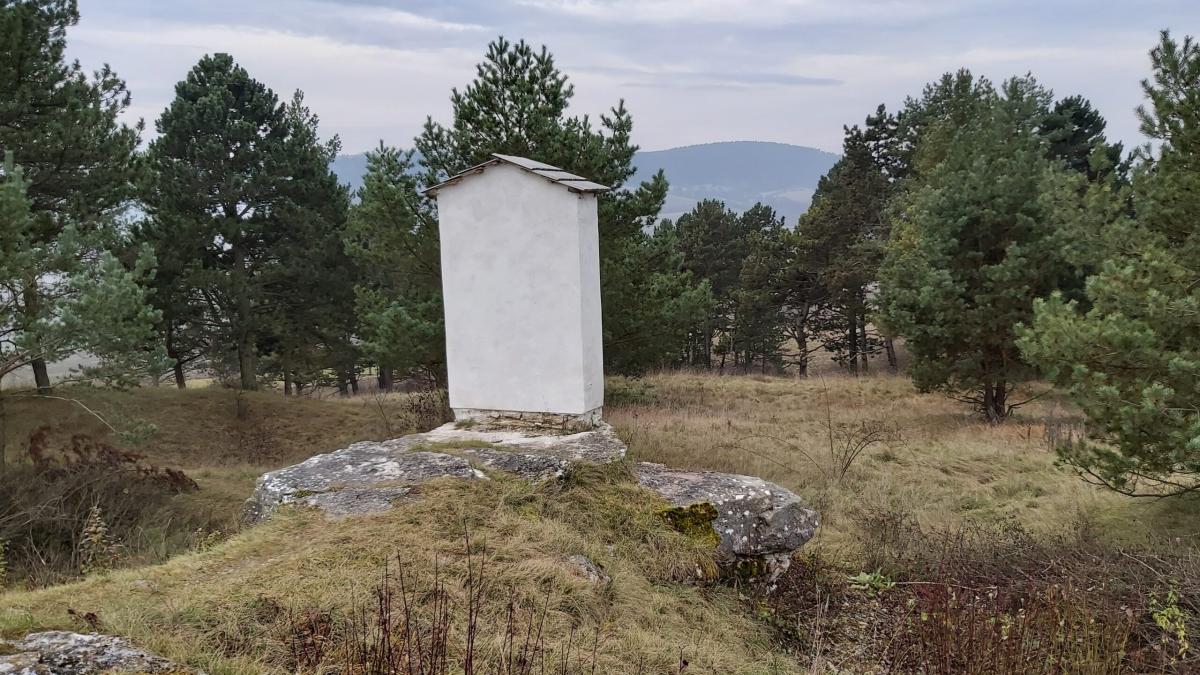
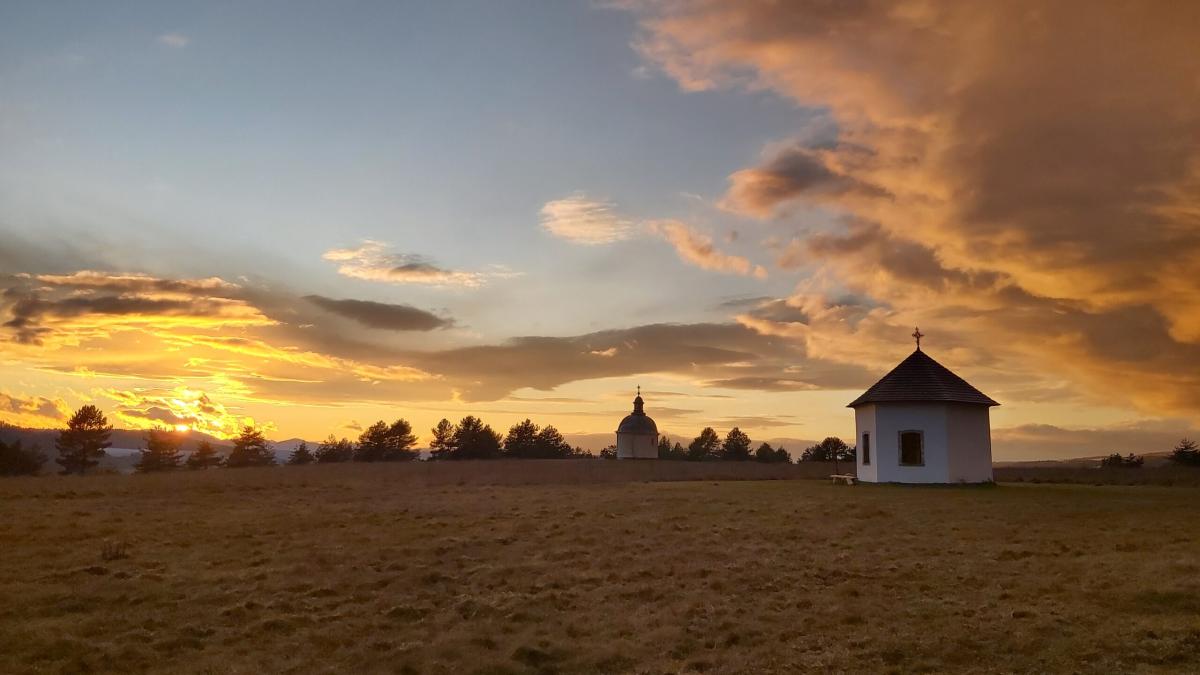
The main components of the Calvary are the Cathedral of Saint Martin, which symbolises the Cenacle in Jerusalem, and the Chapel of Saint Rosalia, which marks the location of Herod's Palace. Furthermore, there is the Chapel of Saint Francis Xavier, representing the Roman Antonia Fortress (the seat of Pontius Pilate), and finally the Chapel of the Holy Cross on Sivá Brada, which symbolises Golgotha – the place of the crucifixion of Jesus Christ and simultaneously the Holy Sepulchre. The perimeter of the Pažica travertine plateau, which in its dimensions and shape resembles the Old City of Jerusalem, is encircled by seven wayside shrines, symbolically representing the walls of Jerusalem. The now-nonexistent Rybníky site near the nearby village of Jablonov once represented the Garden of Gethsemane.
Restoration and Protection of the Area
Since the entire Calvary is situated on the precious territory of the Spišské Podhradie travertines, it is subject to strict rules and protected by the 2nd and 4th levels of nature protection. The spiritual and historical legacy of this place is currently being successfully restored. Within the framework of the INTERREG V-A Poland-Slovakia Programme, both the Chapel of Saint Rosalia and the Chapel of Saint Francis Xavier underwent a thorough heritage restoration in 2019 and 2020, thanks to which this unique Slovak site is coming alive once again.